
Let’s be honest: “work-life balance” sounds nice in theory, but when you’ve got goals to crush and deadlines to meet, it can feel impossible to find the sweet spot. You don’t want to burn out, but you also don’t want to fall behind. The good news? You can have both. A healthy work-life balance isn’t about splitting your time 50/50—it’s about making intentional choices that help you stay energized, focused, and on track with what matters most.
In this post, we’ll walk through practical, easy-to-follow strategies to help you maintain balance without sacrificing your goals. Whether you’re juggling a full-time job, side hustles, or personal projects, these tips will help you create a sustainable rhythm that works for you.
1. Know Your Priorities (and Protect Them)
Before you can balance work and life, you need to know what you’re balancing. That means getting crystal clear on your priorities—both professionally and personally.
Start With a Priority Audit
Grab a notebook or open a blank doc and write down:
- Your top 3 work goals for the next 3 months
- Your top 3 personal priorities (family, health, hobbies, rest, etc.)
- Any recurring tasks or commitments that take up your time
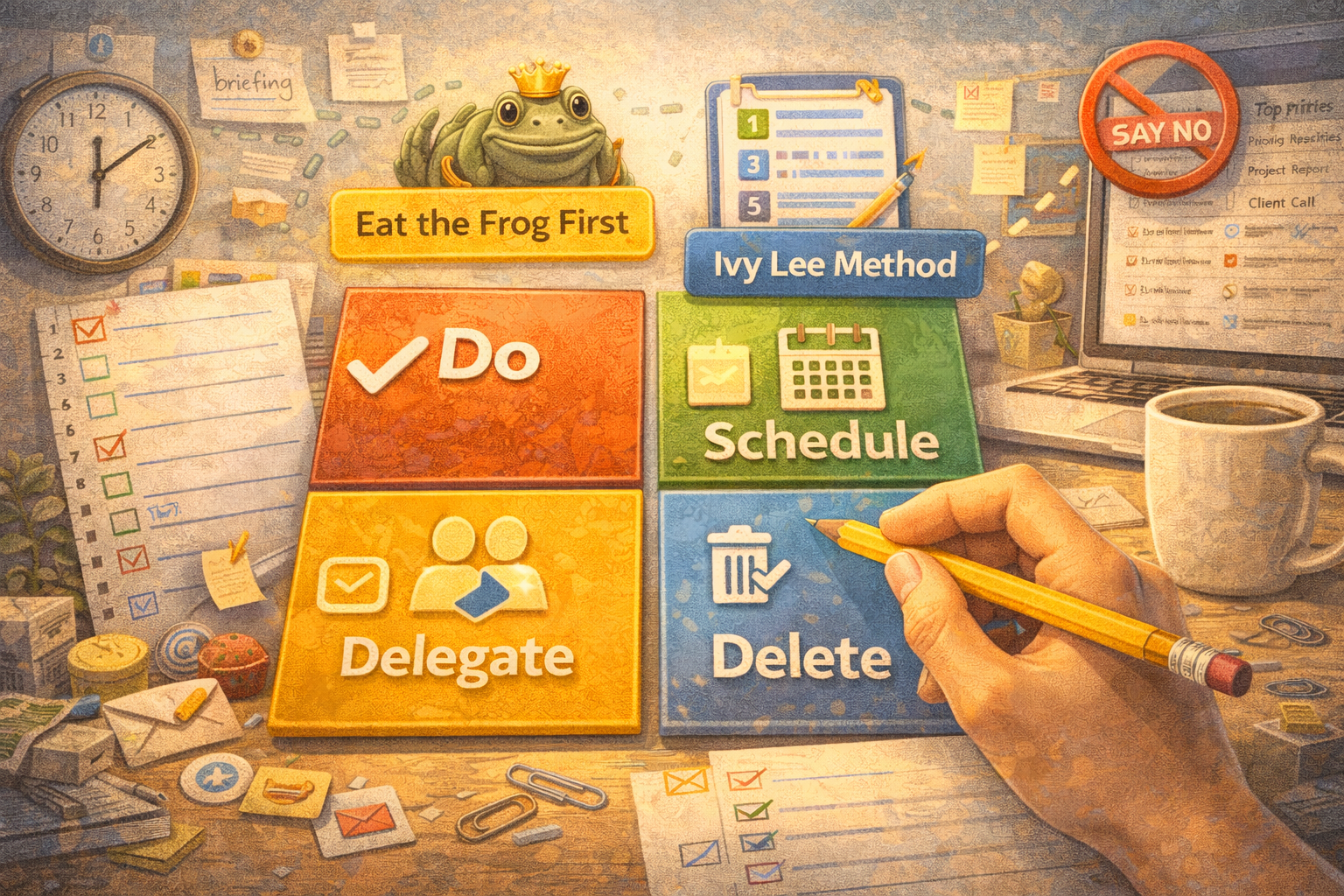
Now, rank them. Which ones are non-negotiable? Which ones can wait? Which ones drain your energy without moving you closer to your goals?
This exercise helps you see where your time and energy are actually going—and where they should be going.
Use the “Hell Yes or No” Rule
When new opportunities or tasks come your way, ask yourself: “Am I hell yes about this?” If the answer isn’t a resounding yes, it’s probably a no. This doesn’t mean you never take on extra work—it means you’re selective about what gets your time and attention.
Set Boundaries Around Your Priorities
Once you know what matters most, protect it. That might look like:
- Blocking time in your calendar for deep work or personal activities
- Saying no to meetings that don’t align with your goals
- Turning off notifications after work hours so you can recharge
Boundaries aren’t selfish—they’re necessary. They help you stay focused on what matters and prevent burnout before it starts.
2. Work Smarter, Not Harder
You don’t need to work more hours to accomplish your goals—you need to work smarter. Here’s how to maximize your productivity without sacrificing your well-being.
Time-Block Your Day
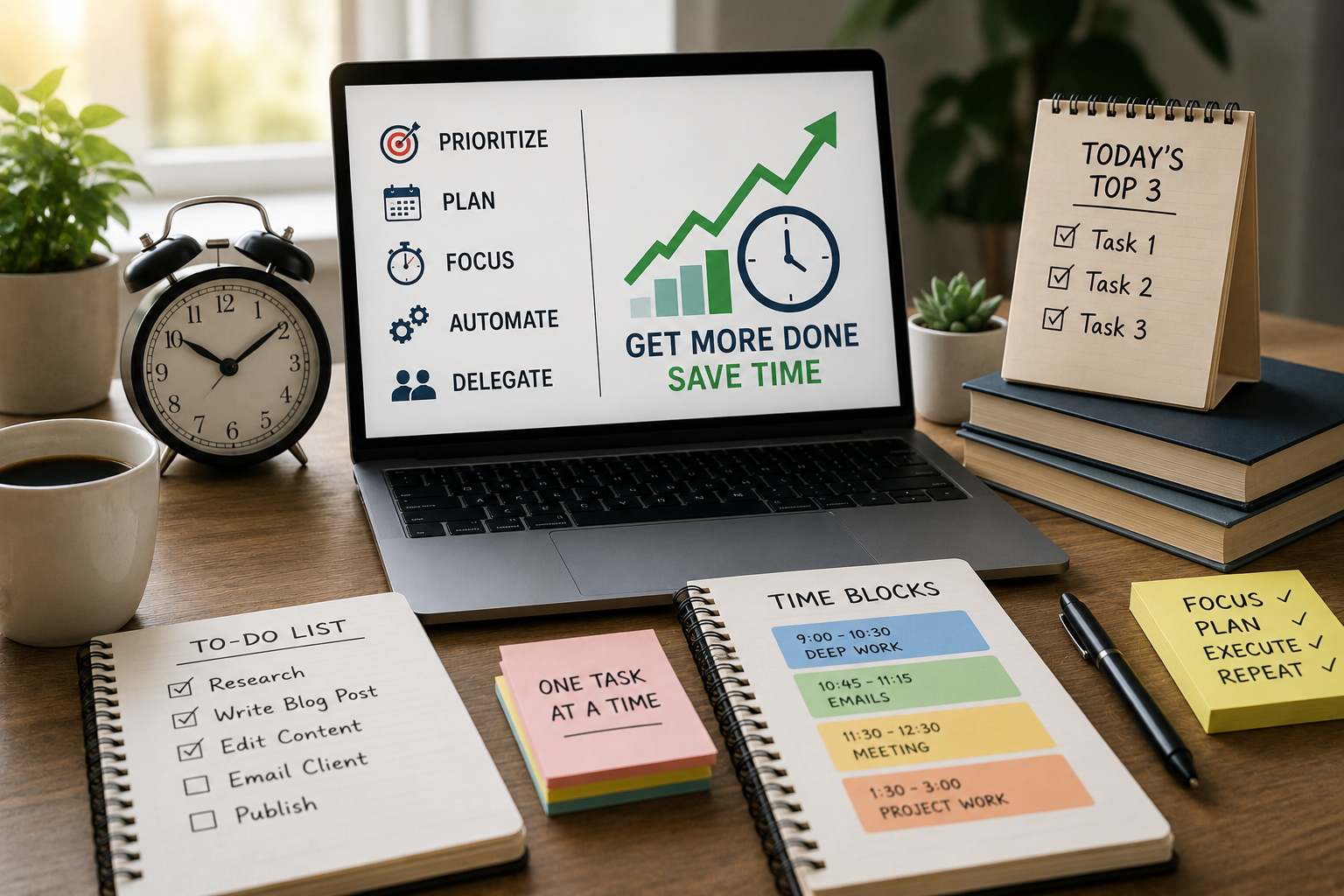
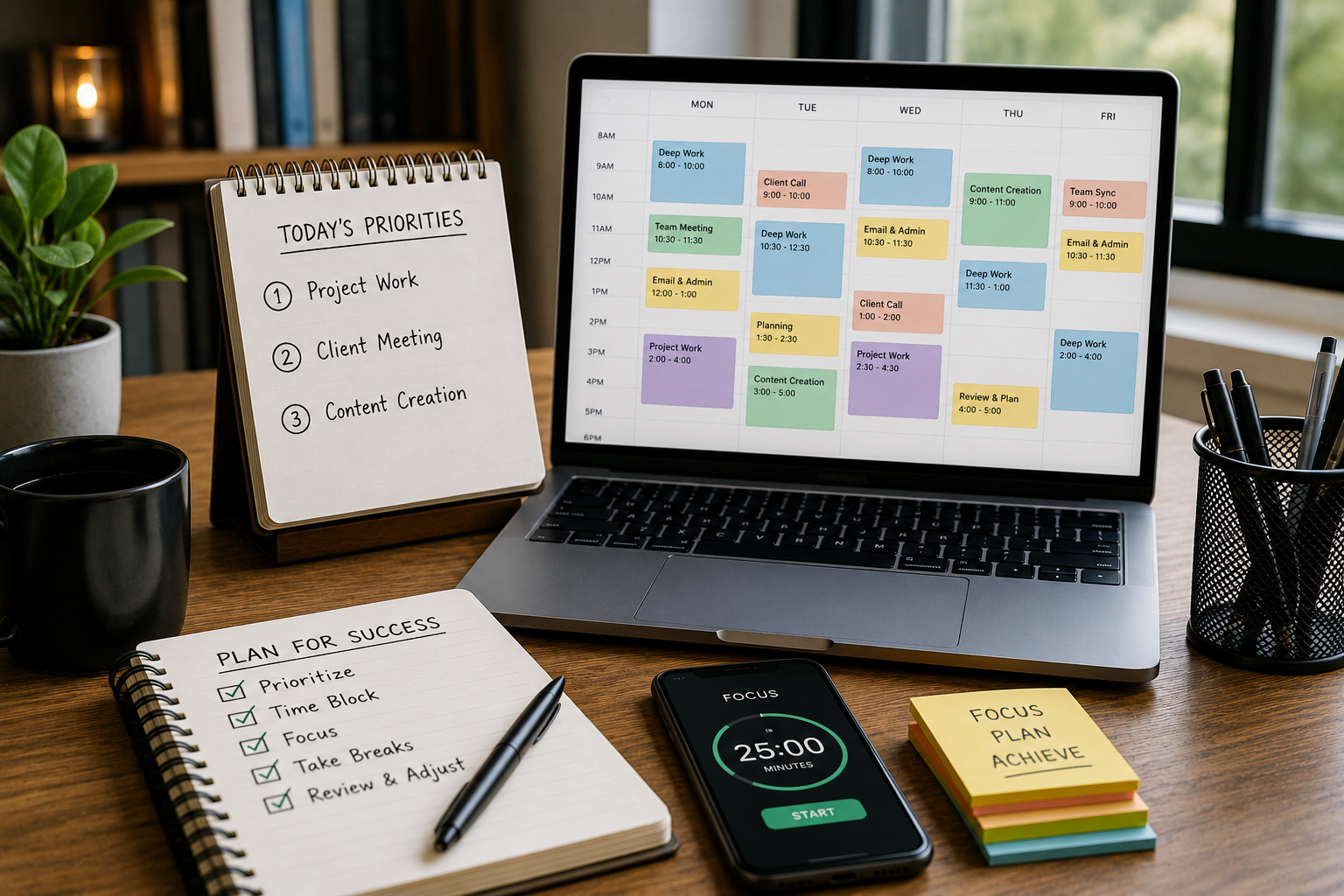
Time-blocking is one of the most effective ways to stay on track. Instead of working reactively (responding to emails, messages, and requests as they come in), you proactively schedule your day in chunks.
For example:
- 8–10 AM: Deep work on your biggest goal
- 10–10:15 AM: Break (stretch, walk, hydrate)
- 10:15–11:30 AM: Meetings or collaborative work
- 11:30–12 PM: Admin tasks (emails, messages, etc.)
- 12–1 PM: Lunch break (no work!)
- 1–3 PM: Focused work on secondary goals
- 3–3:15 PM: Break
- 3:15–5 PM: Wrap-up, planning for tomorrow
This structure helps you stay focused, avoid multitasking, and ensure you’re making progress on your goals every day.
Use the Pomodoro Technique
If you struggle with focus or procrastination, try the Pomodoro Technique. Work for 25 minutes, then take a 5-minute break. After four cycles, take a longer break (15–30 minutes). This method keeps your brain fresh and helps you avoid burnout.
Delegate and Automate
You don’t have to do everything yourself. Look for tasks that can be delegated (to a team member, freelancer, or virtual assistant) or automated (using tools like Zapier, Calendly, or email templates).
Ask yourself: “Is this task moving me closer to my goals?” If not, can someone else do it? Can it be automated? The more you can offload or streamline, the more time and energy you’ll have for what truly matters.
3. Build Recovery Into Your Routine
Rest isn’t a reward—it’s a requirement. You can’t pour from an empty cup, and you can’t accomplish your goals if you’re running on fumes. Here’s how to make recovery a non-negotiable part of your routine.
Schedule Downtime Like a Meeting
Just like you’d block time for a client call or a team meeting, block time for rest. This could be:
- A 30-minute walk after lunch
- An hour in the evening to read, meditate, or spend time with loved ones
- A full day off each week to recharge
Treat this time as sacred. No work emails, no “just checking in,” no guilt. Rest is productive—it helps you come back stronger, sharper, and more creative.
Create a Shutdown Ritual
At the end of each workday, create a ritual that signals to your brain that work is over. This could be:
- Closing your laptop and putting it away
- Writing down your top 3 priorities for tomorrow
- Taking a short walk or doing a quick stretch routine
- Changing out of your work clothes (even if you work from home!)
This ritual helps you mentally transition from work mode to personal mode, so you can fully recharge.
Prioritize Sleep, Movement, and Nutrition
Your physical health directly impacts your mental health and productivity. Make sure you’re:
- Getting 7–9 hours of sleep each night
- Moving your body daily (even if it’s just a 10-minute walk)
- Eating nourishing foods that fuel your brain and body
These basics might seem obvious, but they’re often the first things we sacrifice when we’re busy. Don’t let that be you. Your goals are important, but your health is non-negotiable.
4. Track Your Progress (and Adjust as Needed)
Balance isn’t a one-time achievement—it’s an ongoing practice. What works for you today might not work next month, and that’s okay. The key is to stay flexible and adjust as needed.
Do a Weekly Review
At the end of each week, take 15–20 minutes to reflect:
- What went well this week?
- Where did I feel stressed or overwhelmed?
- Did I make progress on my goals?
- Did I honor my boundaries and priorities?
- What can I adjust for next week?
This review helps you stay aware of what’s working and what’s not, so you can make small tweaks before things get out of hand.
Celebrate Small Wins
It’s easy to focus on what’s left to do, but don’t forget to celebrate what you’ve already accomplished. Did you finish a big project? Stick to your boundaries? Take a much-needed break? Celebrate it! Acknowledging your progress keeps you motivated and reminds you that you’re on the right track.
Be Kind to Yourself
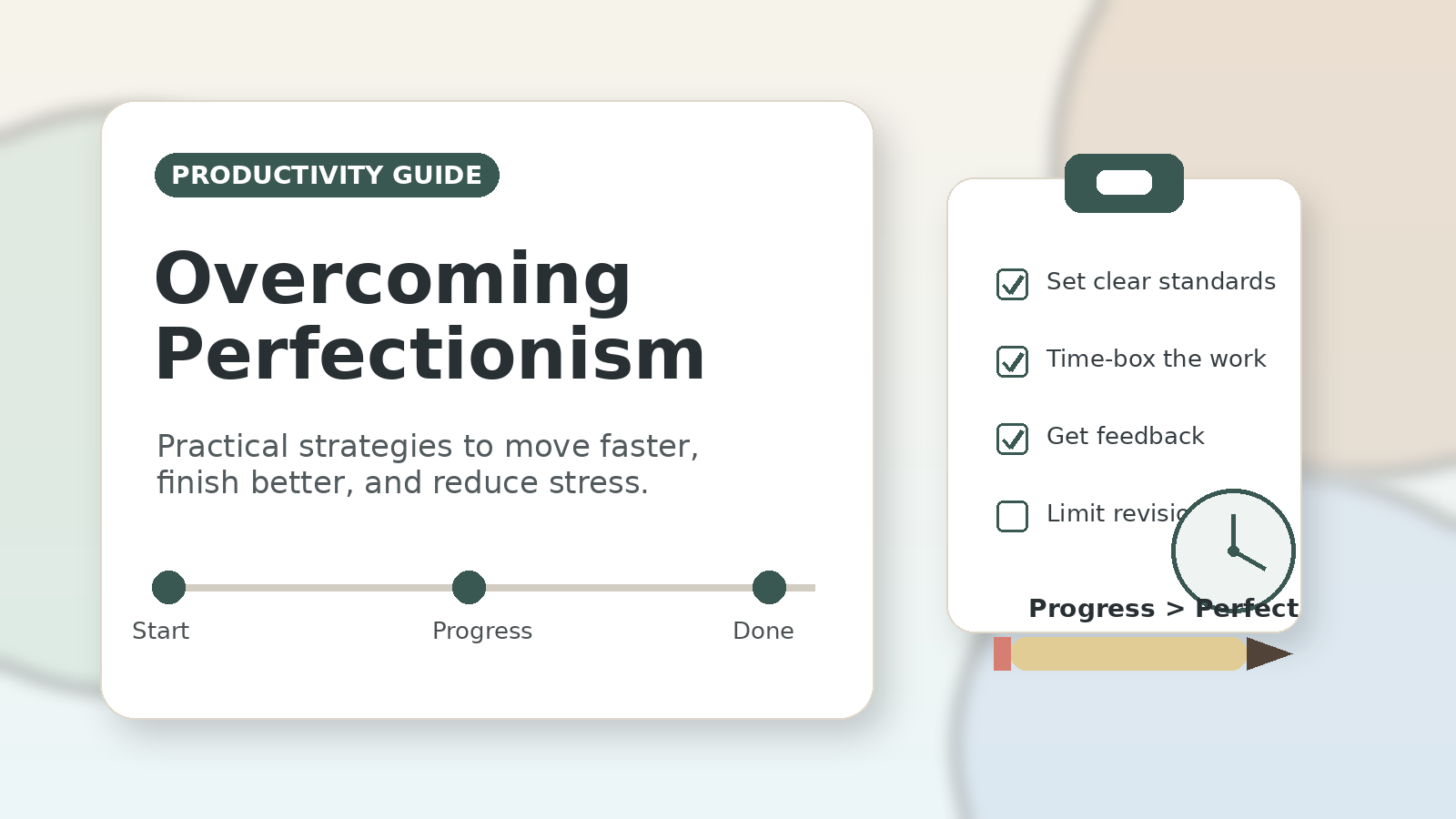
Some weeks will feel more balanced than others—and that’s normal. Life happens. Deadlines shift. Emergencies come up. The goal isn’t perfection; it’s progress. If you have a week where work takes over, don’t beat yourself up. Just reset and try again the next week.
5. Redefine What Success Means to You
Here’s a truth bomb: society’s definition of success doesn’t have to be yours. You don’t have to hustle 24/7 to be successful. You don’t have to say yes to every opportunity. You don’t have to sacrifice your well-being to achieve your goals.
Success looks different for everyone. For some, it’s hitting big career milestones. For others, it’s having time for family, hobbies, or rest. The key is to define success on your own terms—and then build a life that aligns with that definition.
Ask Yourself:
- What does success look like to me?
- What kind of life do I want to create?
- What am I willing to sacrifice (and what am I not)?
- How do I want to feel at the end of each day?
Your answers to these questions will guide your decisions and help you create a life that feels fulfilling—not just productive.
Maintaining a Healthy Work-life Balance
Maintaining a healthy work-life balance while accomplishing your goals isn’t about finding a perfect formula—it’s about making intentional choices every day. It’s about knowing your priorities, working smarter, building recovery into your routine, tracking your progress, and redefining what success means to you.
You don’t have to do it all at once. Start small. Pick one or two strategies from this post and implement them this week. See how they feel. Adjust as needed. Over time, these small changes will add up to big results.
Remember: you’re not a machine. You’re a human being with goals, dreams, and limits. Honor all of them. Your future self will thank you.
Now go out there and create a life that feels good—not just looks good. You’ve got this.